
Category: Health & Fitness

How Sheth Jeebun Brings Sustainability into Care Homes?How Sheth Jeebun Brings Sustainability into Care Homes?

Sustainability in healthcare is no longer a choice; it is a responsibility. Sheth Jeebun has emerged as a leader in transforming care homes into sustainable environments that respect both people and the planet.
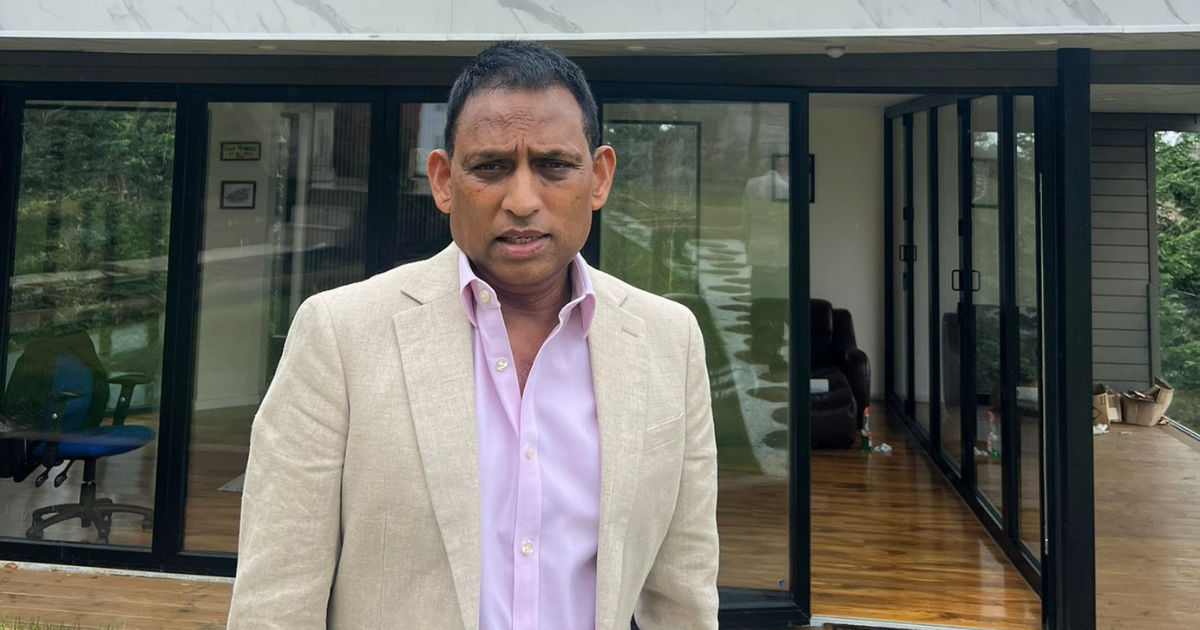
By integrating eco-friendly practices, energy efficiency, and mindful resource management, Sheth Jeebun demonstrates that caring for residents and caring for the environment can go hand in hand.

In this comprehensive guide, we will explore how Sheth Jeebun implements sustainability in care homes, the benefits of these practices, and the future of eco-conscious senior care.

Sustainability in Care Homes

Sustainability in care homes goes beyond simply recycling or using energy-efficient appliances. It involves creating an environment where social, economic, and environmental concerns are balanced. Care homes are complex systems that require careful management of resources, waste, energy, and human capital. Sheth Jeebun emphasizes that sustainability is a holistic approach, addressing the needs of residents, staff, and the broader community while minimizing the environmental footprint.

Environmental sustainability focuses on reducing energy consumption, conserving water, minimizing waste, and using eco-friendly products. Social sustainability ensures that residents and staff experience wellbeing, inclusivity, and dignity. Economic sustainability guarantees that care homes remain financially viable while adopting practices that may require upfront investment but yield long-term benefits. By integrating these three pillars, Sheth Jeebun creates care homes that are not only greener but also more compassionate and efficient.

The Role of Leadership in Sustainable Care Homes

Implementing sustainability in care homes requires strong leadership. Sheth Jeebun believes that sustainability starts at the top. Leaders in care homes must set clear goals, motivate staff, and embed sustainable practices into the culture of the organization. This involves training staff, encouraging innovation, and creating policies that prioritize eco-friendly decision-making.

Leadership also plays a role in inspiring residents and their families to support sustainability initiatives. When staff and residents understand the purpose behind eco-conscious practices, they are more likely to embrace change. Sheth Jeebun ensures that sustainability is communicated as a shared responsibility, making every individual in the care home a participant in the mission to protect the environment.

Energy Efficiency and Green Infrastructure

Energy consumption is one of the largest contributors to environmental impact in care homes. Sheth Jeebun prioritizes energy efficiency by incorporating renewable energy sources, efficient heating systems, and smart energy management technologies. Solar panels, LED lighting, and modern insulation techniques help reduce electricity usage while lowering costs.

Green infrastructure also plays a vital role. Designing care homes with natural lighting, green roofs, and ventilation systems that improve air quality reduces reliance on artificial heating and cooling. Sheth Jeebun understands that these investments may require initial funding but ultimately lead to long-term savings and a healthier living environment for residents.

Water Conservation and Waste Management

Water is a precious resource, and care homes consume significant amounts for daily operations. Sheth Jeebun adopts innovative strategies to reduce water waste. Low-flow taps and showerheads, sensor-based water systems, and water recycling techniques help care homes operate more sustainably. In addition, rainwater harvesting can supplement water needs for non-potable uses such as gardening and cleaning.

Waste management is another area where Sheth Jeebun excels. Care homes generate both medical and household waste, which requires careful handling. Recycling programs, composting organic waste, and safe disposal of hazardous materials reduce the environmental footprint of the facility. By prioritizing waste reduction and recycling, Sheth Jeebun sets a standard for responsible care home management.

Eco-Friendly Products and Practices

Sustainability also involves the choices care homes make in daily operations. Sheth Jeebun emphasizes the use of eco-friendly cleaning products, biodegradable packaging, and non-toxic materials for furniture and construction. This not only protects the environment but also ensures the health and safety of residents and staff.

Food services are another area of focus. Sheth Jeebun supports locally sourced, organic, and seasonal ingredients, reducing the carbon footprint associated with transportation. By implementing sustainable kitchen practices, such as minimizing food waste and using energy-efficient cooking equipment, care homes can contribute significantly to environmental conservation.

Enhancing Social Sustainability

Environmental sustainability is critical, but Sheth Jeebun recognizes that true sustainability includes social factors. A sustainable care home fosters a sense of community, inclusivity, and wellbeing for residents. This includes providing healthy meals, safe living conditions, engaging activities, and opportunities for social interaction.

Staff wellbeing is equally important. By creating supportive work environments, offering professional development, and promoting work-life balance, Sheth Jeebun ensures that caregivers are motivated and able to provide high-quality care. Social sustainability also extends to involving families and communities in care home initiatives, promoting awareness of sustainable practices beyond the facility.

Training and Educating Staff

Sustainability cannot be achieved without informed and motivated staff. Sheth Jeebun invests in training programs that educate caregivers, administrative personnel, and maintenance teams about sustainable practices. Staff learn how to operate energy-efficient systems, reduce waste, use eco-friendly products, and support residents in living more sustainably.

Regular workshops and hands-on training encourage staff to adopt green habits in their daily routines. By fostering a culture of learning and responsibility, Sheth Jeebun ensures that sustainability is embedded in the care home’s DNA rather than being an occasional initiative.

Engaging Residents in Sustainability

Residents play a vital role in achieving sustainability goals. Sheth Jeebun encourages care homes to involve residents in eco-conscious practices that enhance their sense of purpose and engagement. Activities such as gardening, recycling initiatives, and environmental education sessions not only contribute to sustainability but also promote mental and emotional wellbeing.

Participation in sustainability programs empowers residents, giving them the opportunity to make a positive impact on their surroundings. This approach aligns with Sheth Jeebun’s philosophy that caring for the environment and caring for people are deeply interconnected.

Technology and Innovation in Sustainable Care

Modern technology enables care homes to monitor and optimize their sustainability efforts effectively. Sheth Jeebun integrates smart systems for energy management, water usage tracking, and waste monitoring. These tools provide real-time data, allowing care homes to identify inefficiencies and implement corrective actions quickly.

Innovation also extends to medical equipment and infrastructure. Energy-efficient medical devices, automated lighting systems, and digital record-keeping reduce environmental impact while improving operational efficiency. By embracing technology, Sheth Jeebun demonstrates that sustainability and modern healthcare can coexist seamlessly.

Measuring Sustainability Impact

Monitoring and evaluating sustainability initiatives is crucial to ensure progress. Sheth Jeebun advocates for setting measurable goals, such as reducing energy consumption by a specific percentage, increasing recycling rates, or lowering water usage. Regular assessments help care homes track achievements, identify areas for improvement, and celebrate successes.

Transparency in reporting also builds trust among residents, families, and staff. By sharing sustainability performance, Sheth Jeebun creates accountability and encourages continuous improvement in care home practices.

Economic Benefits of Sustainable Care Homes

Investing in sustainability brings financial advantages in addition to environmental and social benefits. Energy-efficient systems, water-saving technologies, and waste reduction programs reduce operational costs over time. Sheth Jeebun emphasizes that the initial investment in sustainable infrastructure pays off through lower utility bills, reduced waste management expenses, and increased resident satisfaction, which can lead to higher occupancy rates.

Sustainable care homes also attract families who value eco-conscious practices. By promoting green initiatives, Sheth Jeebun enhances the reputation of care homes, making them more competitive in the healthcare sector.

Community Engagement and Partnerships

Sustainability extends beyond the care home’s walls. Sheth Jeebun encourages partnerships with local communities, environmental organizations, and suppliers to enhance the impact of sustainability efforts. Collaborating with local farmers, renewable energy providers, and recycling firms ensures that care homes contribute positively to the wider community.

Community engagement also raises awareness about the importance of sustainable healthcare. Residents, families, and staff become advocates for eco-friendly practices, spreading knowledge and encouraging broader societal change.

Challenges in Implementing Sustainability

Despite the clear benefits, implementing sustainability in care homes comes with challenges. Budget constraints, resistance to change, and the complexity of care operations can hinder progress. Sheth Jeebun addresses these challenges by prioritizing initiatives, providing training, and demonstrating the long-term value of sustainable practices.

Leadership commitment, staff engagement, and clear communication are essential to overcoming obstacles. By approaching sustainability as a strategic priority rather than a side project, Sheth Jeebun ensures that care homes can implement meaningful and lasting changes.

Future of Sustainable Care Homes

The future of care homes lies in sustainability. Sheth Jeebun envisions facilities that are fully energy self-sufficient, minimize waste, and provide high-quality care while protecting the environment. Advancements in technology, increased environmental awareness, and supportive policies will continue to drive innovation in this sector.

Sustainable care homes of the future will not only reduce their ecological footprint but also serve as models of responsible living. Sheth Jeebun’s approach demonstrates that it is possible to create care environments that nurture both people and the planet.

Conclusion

Sustainability in care homes is a multidimensional effort that requires commitment, innovation, and leadership. Sheth Jeebun exemplifies how care homes can integrate eco-friendly practices, energy efficiency, waste reduction, and social responsibility to create thriving, sustainable environments. By focusing on environmental, social, and economic sustainability, Sheth Jeebun transforms care homes into places where residents, staff, and communities benefit simultaneously.

From energy-efficient infrastructure and water conservation to staff training and resident engagement, every initiative contributes to a greener, healthier future. The challenges are real, but with dedication and strategic planning, care homes can become centers of sustainability that inspire broader societal change. Sheth Jeebun proves that sustainability in care is not just possible—it is essential for a better future.

The journey toward sustainable care homes is ongoing, and the efforts of leaders like Sheth Jeebun ensure that this transformation is practical, impactful, and inclusive. Care homes that embrace sustainability today will be the models for tomorrow, showing that care, compassion, and environmental responsibility can coexist beautifully.

How Sheth Jeebun Connects Healthcare and Sustainability?How Sheth Jeebun Connects Healthcare and Sustainability?

Healthcare is one of the most critical pillars of modern society, and sustainability has become an urgent global priority. Sheth Jeebun has emerged as a visionary leader who recognizes the importance of connecting these two fields.

By integrating sustainable practices into healthcare, Sheth Jeebun demonstrates that patient care and environmental responsibility can coexist harmoniously. His approach goes beyond conventional healthcare management and offers a model for the future of health systems worldwide.

Sheth Jeebun believes that sustainability in healthcare is not just about reducing waste or energy consumption. It encompasses a holistic strategy that includes efficient resource management, ethical medical practices, and long-term environmental stewardship.

By aligning healthcare goals with sustainable principles, Sheth Jeebun ensures that hospitals, care homes, and other medical facilities operate in ways that benefit both people and the planet.

Sheth Jeebun’s commitment to sustainable healthcare is rooted in a deep understanding of the interdependence between human health and the environment. Clean air, safe water, and a stable climate directly influence the well-being of communities.

Therefore, healthcare providers who adopt environmentally responsible practices can significantly improve public health outcomes. Sheth Jeebun’s initiatives highlight how sustainability is an integral part of modern healthcare rather than a separate or optional concern.

The Link Between Healthcare and Sustainability

Healthcare systems traditionally focus on treating illnesses and managing patient care. However, this approach often overlooks the environmental impact of medical operations. Hospitals and clinics consume vast amounts of energy, generate significant waste, and rely on materials that may not be eco-friendly. Sheth Jeebun identifies these challenges and advocates for a transformation in healthcare thinking.

Sustainability in healthcare involves designing systems that minimize harm to the environment while maximizing patient health. This includes reducing carbon footprints, optimizing energy use, and implementing waste management strategies. By adopting these measures, medical facilities can lower operational costs and reduce their ecological impact. Sheth Jeebun’s work demonstrates that sustainable practices can enhance both the efficiency and quality of healthcare delivery.

Moreover, Sheth Jeebun emphasizes the role of preventive healthcare in sustainability. Encouraging healthy lifestyles, early disease detection, and community education reduces the need for intensive medical interventions, which in turn decreases resource consumption. Sustainable healthcare, in this sense, is proactive rather than reactive. It addresses health issues at the root and considers the long-term well-being of both individuals and the environment.

Sheth Jeebun’s Approach to Green Healthcare

One of the most notable aspects of Sheth Jeebun’s strategy is his focus on green healthcare. This concept involves creating healthcare facilities that are environmentally friendly and energy-efficient. Sheth Jeebun advocates for the use of renewable energy sources such as solar and wind power in hospitals. These initiatives reduce dependence on non-renewable energy and lower greenhouse gas emissions.

Sheth Jeebun also supports sustainable building designs for healthcare facilities. Eco-friendly architecture includes natural lighting, water recycling systems, and energy-efficient heating and cooling. Such designs not only reduce environmental impact but also create healthier environments for patients and staff. Studies have shown that natural light and improved air quality in hospitals can accelerate patient recovery, aligning sustainability with better healthcare outcomes.

Waste management is another area where Sheth Jeebun has made significant contributions. Medical waste, if not properly handled, can harm the environment and public health. Sheth Jeebun promotes the segregation of hazardous and non-hazardous waste, the use of biodegradable materials, and the adoption of safe disposal methods. By addressing medical waste responsibly, healthcare facilities can prevent pollution and protect ecosystems while maintaining high standards of patient care.

Promoting Sustainable Practices in Patient Care

Sheth Jeebun recognizes that sustainability extends beyond the infrastructure of healthcare facilities. It also encompasses daily practices in patient care. For example, reducing single-use plastics, encouraging digital medical records, and adopting telemedicine are all ways to make healthcare more sustainable. These measures lower waste production and reduce the carbon footprint associated with patient visits.

Telemedicine, in particular, is a significant innovation promoted by Sheth Jeebun. By providing consultations remotely, healthcare providers can reduce travel-related emissions and conserve resources. Patients benefit from increased access to care, while the healthcare system as a whole becomes more environmentally responsible. Sheth Jeebun’s vision demonstrates that technological advancements can serve both health and sustainability goals simultaneously.

Nutrition and lifestyle guidance also play a role in Sheth Jeebun’s approach. Encouraging patients to adopt healthy diets, exercise regularly, and reduce reliance on processed foods contributes to personal well-being and environmental sustainability. Locally sourced, plant-based foods, for instance, lower the ecological impact of food production and transportation. Sheth Jeebun sees these practices as a bridge between individual health and global environmental responsibility.

Community Engagement and Education

A core part of Sheth Jeebun’s philosophy is community engagement. He believes that healthcare institutions should educate the public on sustainable practices and healthy living. Workshops, awareness campaigns, and school programs are examples of initiatives that empower communities to take charge of their health while caring for the environment.

Sheth Jeebun emphasizes that community involvement is essential for long-term change. Hospitals and clinics can serve as role models for sustainability, demonstrating best practices that individuals and businesses can adopt. By fostering a culture of responsibility and awareness, Sheth Jeebun ensures that sustainability in healthcare is not limited to policies but becomes a way of life.

Furthermore, Sheth Jeebun encourages partnerships between healthcare providers, environmental organizations, and local governments. These collaborations help create comprehensive strategies for sustainable development. By pooling resources and expertise, communities can address health challenges and environmental issues more effectively. Sheth Jeebun’s approach highlights the importance of collective action in achieving meaningful progress.

Policy Advocacy and Leadership

Sheth Jeebun also plays a crucial role in shaping policies that integrate healthcare and sustainability. He advocates for regulations that promote green infrastructure, energy efficiency, and responsible waste management in medical institutions. By influencing policy, Sheth Jeebun ensures that sustainable practices are not optional but embedded in the framework of healthcare systems.

Leadership is central to Sheth Jeebun’s vision. He believes that healthcare leaders must prioritize sustainability as part of their strategic objectives. Training programs, workshops, and professional development initiatives help healthcare administrators understand the environmental impact of their decisions. Sheth Jeebun’s leadership philosophy demonstrates that sustainable healthcare requires both vision and practical implementation at every level of the system.

Challenges and Solutions in Sustainable Healthcare

Implementing sustainable practices in healthcare is not without challenges. High upfront costs, resistance to change, and lack of awareness can hinder progress. Sheth Jeebun acknowledges these obstacles but emphasizes that long-term benefits outweigh initial difficulties. Investment in energy-efficient systems, staff training, and sustainable technologies ultimately reduces costs and improves patient outcomes.

Sheth Jeebun advocates for innovative solutions to overcome these barriers. Public-private partnerships, government incentives, and international collaborations can provide the necessary support for hospitals and clinics. Additionally, research and development in green technologies create new opportunities for sustainable healthcare. By addressing challenges strategically, Sheth Jeebun ensures that environmental responsibility becomes an integral part of healthcare delivery.

The Future of Healthcare and Sustainability

Sheth Jeebun’s work points to a future where healthcare and sustainability are fully integrated. Hospitals, care homes, and clinics will operate with minimal environmental impact while providing exceptional patient care. Communities will benefit from healthier environments, reduced pollution, and improved access to medical services.

Sustainability will also influence medical education. Future healthcare professionals, inspired by leaders like Sheth Jeebun, will be trained to consider ecological factors in their decision-making. Preventive care, green technologies, and community engagement will become standard practices. This holistic approach ensures that healthcare systems are resilient, efficient, and environmentally responsible.

Sheth Jeebun envisions a healthcare ecosystem where every action, from energy use to patient interaction, aligns with sustainability principles. This vision transforms healthcare into a force for positive environmental change while maintaining the highest standards of patient care. By connecting healthcare and sustainability, Sheth Jeebun sets a precedent for the global health sector.

Conclusion

Sheth Jeebun’s approach to connecting healthcare and sustainability demonstrates that the two fields are not separate but deeply intertwined. Through green infrastructure, responsible waste management, community engagement, and policy advocacy, Sheth Jeebun illustrates that sustainable healthcare is achievable and beneficial. His vision emphasizes proactive care, environmental responsibility, and long-term thinking.

The initiatives led by Sheth Jeebun show that sustainable healthcare can improve patient outcomes, reduce operational costs, and protect the planet. By embracing these practices, healthcare systems worldwide can address current challenges and prepare for future demands. Sheth Jeebun’s work provides a roadmap for integrating sustainability into every aspect of healthcare, ensuring that both people and the environment thrive together.

The future of healthcare, as envisioned by Sheth Jeebun, is one where quality care goes hand in hand with ecological stewardship. His model encourages healthcare providers to rethink traditional practices, adopt innovative solutions, and educate communities about sustainable living. Ultimately, Sheth Jeebun proves that a healthier world and a healthier environment are not mutually exclusive but complementary goals.

By prioritizing sustainability, Sheth Jeebun not only enhances healthcare delivery but also inspires a global movement toward environmentally conscious medical practices. The principles he advocates for—efficiency, responsibility, and foresight—can guide the healthcare sector for decades to come. As communities, policymakers, and healthcare professionals adopt these practices, the legacy of Sheth Jeebun will continue to influence both human health and planetary well-being.

Overcoming Addiction: The Role of Hypnotherapy in Behavioural TransformationOvercoming Addiction: The Role of Hypnotherapy in Behavioural Transformation

When someone attempts to overcome addiction, their focus is usually on conscious decisions. They tell themselves they will stop drinking, quit gambling, or avoid substances. While determination and motivation are important, addiction often operates beneath the surface of awareness. The subconscious mind plays a pivotal role, storing behaviours, habits, and emotional responses that can drive addictive tendencies without conscious thought. Recognising this hidden influence is a crucial first step toward lasting recovery.

How Habits Become Embedded

The subconscious mind excels at creating automatic behaviours. Repeated actions, such as reaching for a cigarette or visiting a betting shop, become deeply ingrained, forming patterns that feel impossible to resist. Even when someone consciously wants to stop, the brain can trigger these behaviours almost automatically. Understanding that addiction is more than just a lack of willpower allows individuals to approach recovery with strategies that address the root causes rather than just the symptoms.

Emotional Associations and Triggers

Addictive behaviours are often reinforced by emotional connections. Alcohol may be linked with relaxation, gambling with excitement, or certain substances with stress relief. These associations are stored subconsciously, which is why cravings can appear suddenly and without warning. By identifying these emotional triggers, individuals can start to challenge the associations that perpetuate their habits. Without addressing these underlying patterns, attempts to stop often result in temporary relief rather than permanent change.

Hypnotherapy: Accessing the Subconscious

Hypnotherapy provides a structured method to engage the subconscious mind safely and effectively. Through deep relaxation and focused attention, individuals can explore the triggers and emotional patterns that drive their addictive behaviours. Guided hypnotherapy sessions allow the mind to be rewired: cravings are reduced, emotional triggers reframed, and healthier habits reinforced. Unlike approaches that rely solely on conscious effort, hypnotherapy works at the level where behaviours are formed, enabling profound and lasting change.

Building a New Identity

Recovery is not simply about stopping a behaviour; it is about creating a new self-image. People begin to see themselves as someone who values health, balance, and personal growth. This new identity gradually reshapes subconscious patterns, diminishing the influence of past addictions. Darren Carter addiction recovery programme supports this transformation by embedding empowering beliefs and attitudes into the subconscious, ensuring that the individual’s thoughts, feelings, and actions align with their renewed sense of self.

Sustaining Lasting Change

True recovery involves addressing both conscious choices and subconscious programming. Hypnotherapy strengthens the mind’s ability to resist old patterns, reduces emotional reactivity, and increases self-control. Over time, these changes become automatic, helping individuals maintain freedom from addictive behaviours. In addition to addressing the specific habit, hypnotherapy often improves overall wellbeing, reducing stress, improving sleep, and enhancing emotional resilience, creating a foundation for long-term success.

Evidence-Based Effectiveness

Research supports the use of hypnotherapy for treating a wide range of addictions, including substances such as alcohol, cannabis, and opioids, as well as behavioural dependencies like gambling or digital overuse. Studies indicate that hypnosis can lower relapse rates and accelerate recovery more effectively than conventional counselling alone. Early intervention with hypnotherapy is linked to faster results, while ongoing practice reinforces new, healthier patterns. This evidence underlines hypnotherapy as a scientifically grounded, practical approach to overcoming addiction.

Take the First Step Toward Freedom

Addiction can quietly erode your health, confidence, and relationships—but lasting change is possible. At Darren Carter Hypnotherapy, expert-led, evidence-based sessions help clients reduce cravings, reframe emotional triggers, and rebuild self-control. Every session is private, supportive, and tailored to individual needs, whether addressing alcohol, gambling, vaping, or other dependencies. Take the first step today—book a consultation and begin your journey toward freedom, empowerment, and a healthier, more balanced life through professional hypnotherapy.

Achieve Lasting Freedom from Addiction Using Darren Carter Expert Hypnotherapy SessionsAchieve Lasting Freedom from Addiction Using Darren Carter Expert Hypnotherapy Sessions

Addiction can quietly take hold, impacting your health, self-confidence, and personal relationships. Whether it involves substances such as cocaine, alcohol, or cannabis, or behaviours like gambling and vaping, overcoming these challenges can feel impossible alone. At Darren Carter Hypnotherapy, we offer professional addiction recovery support using advanced clinical hypnotherapy techniques. By addressing the root causes of addiction at a subconscious level, our programmes help clients break compulsive patterns, regain control, and rebuild their identity. Personalised, evidence-informed, and focused on long-term recovery rather than willpower alone, our approach provides structured support for lasting change and emotional resilience.

Why Hypnotherapy Works for Addiction Recovery

Addiction is more than a habit—it is a deeply ingrained loop of emotional triggers, cravings, and reinforced behaviours. Hypnotherapy works by accessing the subconscious mind, helping clients break automatic thought patterns that drive addictive behaviours. It reduces cravings, calms the nervous system, and creates new mental associations, so stress or boredom no longer trigger substance use. This method is not about shame or self-discipline; it is about retraining the mind to gradually remove the need for addictive behaviours while strengthening confidence and motivation for a healthier lifestyle.

Personalised Programmes for Every Client

Every recovery journey at Darren Carter Hypnotherapy is tailored to the individual. Whether struggling with cocaine, alcohol, vaping, gambling, or other compulsive behaviours, each session is private, non-judgemental, and focused on the unique challenges of the client. Darren combines modern hypnosis techniques with neuroscience-backed methods to gently address emotional triggers that fuel addiction. With over ten years of experience, he has guided hundreds of clients in regaining control, reducing cravings, and rebuilding self-esteem. Evidence-informed strategies ensure that recovery is practical, sustainable, and designed to empower lasting change.

The Hypnotherapy Recovery Process

Recovery begins with a consultation to discuss your goals and explore whether hypnotherapy is the right approach. A detailed consultation follows, uncovering the emotional and behavioural patterns driving addiction and creating a personalised roadmap for recovery. Hypnotherapy for Addiction Recovery sessions then focus on rewiring cravings, enhancing self-control, and developing relapse prevention strategies. Flexible pay-as-you-go sessions and comprehensive package programmes provide ongoing support, ensuring clients have the guidance and structure necessary for sustained recovery and meaningful transformation.

The Science Behind Hypnotherapy

Research shows that hypnotherapy can significantly reduce cravings and relapse rates compared with standard counselling. Addiction alters the brain’s reward system, flooding it with dopamine and creating dependence. Hypnotherapy helps to reset these pathways, allowing healthier behaviours to replace harmful habits. Clients often experience holistic improvements beyond addiction recovery, including better sleep, reduced stress, improved emotional regulation, and stronger relationships. Early intervention with hypnotherapy tends to deliver faster and more effective results, often requiring fewer sessions to achieve long-lasting change.

Why Breaking Free from Addiction Feels Difficult

Addiction rewires the brain, making it difficult to experience joy, calm, or motivation without the substance or behaviour. Many people feel emotionally “flat,” anxious, or compelled to chase the fleeting comfort or confidence that their addiction once provided. This cycle of frustration, guilt, and isolation can make recovery feel unattainable. Hypnotherapy addresses these subconscious drivers, helping clients rebuild motivation, regain emotional balance, and experience calm and fulfilment without relying solely on willpower. By targeting the root causes of addiction, hypnotherapy empowers individuals to reclaim their lives and reduce the risk of relapse.

Take the First Step Towards Freedom

Recovery is possible, and expert support is available. Darren Carter Hypnotherapy, based in Wokingham, Berkshire, offers a safe, professional, and compassionate approach to overcoming addiction. Using evidence-based hypnotherapy techniques tailored to each client, we help you regain control, restore balance, and build a life free from substances or compulsive behaviours. Every journey begins with a single step, and taking that step today can transform your tomorrow. Book your consultation with Darren Carter and start your path towards lasting recovery, renewed confidence, and a healthier, happier life.

Supporting anxiety and addiction recovery with professional hypnotherapySupporting anxiety and addiction recovery with professional hypnotherapy

In modern society, anxiety, stress, and addictive behaviours have become increasingly prevalent, affecting people from all walks of life. Constant exposure to pressure from work, family obligations, financial concerns, and digital connectivity often leaves little room for emotional recovery. Over time, this ongoing strain can develop into chronic anxiety, disrupted sleep, reduced confidence, and a reliance on habits such as smoking, vaping, alcohol use, or other compulsive behaviours as coping mechanisms. While these behaviours may temporarily ease emotional discomfort, they rarely resolve the deeper causes driving them. Meaningful and lasting change often requires addressing the subconscious patterns that influence how individuals think, feel, and respond to stress.

Darren Carter Hypnotherapy, based in Wokingham, Berkshire, offers a specialised approach to mental and emotional wellbeing, with a strong focus on anxiety and addiction support. Darren Carter is a Certified Advanced Hypnotherapist and Anxiety and Addiction Specialist who has helped more than 3,790 clients improve their quality of life. His work is informed by over 25 years in demanding corporate environments, where stress, pressure, and burnout are common challenges. This professional background gives him a practical understanding of how anxiety develops and why many people turn to unhealthy coping strategies. His approach goes beyond symptom management, focusing instead on personalised hypnotherapy designed to create genuine, long-term transformation.

A defining feature of Darren Carter Hypnotherapy is the extended session structure, which allows for deeper therapeutic work and more effective results. Sessions last up to 90 minutes, including approximately 60 minutes of hypnosis, significantly longer than the typical 35 to 50-minute sessions offered elsewhere. This additional time allows clients to feel heard, understood, and supported without feeling rushed. It also enables the subconscious mind to reach a deeper state of relaxation, where meaningful change can occur more naturally. For issues such as anxiety disorders, addiction recovery, or long-standing emotional patterns, this depth of work is often essential in achieving lasting progress.

Hypnotherapy works by accessing the subconscious mind, where habits, emotional responses, beliefs, and behavioural patterns are formed and stored. While humans are born with very few innate fears, many anxieties, phobias, and limiting beliefs are learned throughout life through personal experiences, social conditioning, and emotional events. Addiction is frequently rooted in subconscious coping mechanisms rather than conscious decision-making. Through guided hypnosis, individuals can safely explore these internal patterns and begin to reshape how the mind responds to stress, emotional triggers, and discomfort. Over time, this process can reduce anxiety, weaken addictive urges, and help individuals regain a sense of calm, confidence, and emotional control.

Beyond anxiety and addiction, hypnotherapy offers wide-ranging benefits that support overall wellbeing. Many people experience improved sleep quality, reduced stress levels, enhanced focus, and greater emotional resilience. Hypnotherapy is also commonly used to support smoking and vaping cessation, weight management, anger management, overcoming fears and phobias, and building confidence and motivation. Because the work focuses on subconscious change rather than willpower alone, improvements often feel more natural and sustainable. Darren Carter’s collaborative approach includes goal setting and progress review, helping clients stay motivated while actively participating in their own personal development.

At its core, hypnotherapy is about empowerment, self-awareness, and lasting transformation. By addressing the root causes of emotional and behavioural challenges, individuals can reconnect with their inner strengths and develop healthier ways of responding to life’s pressures. Darren Carter Quit Vaping Hypnotherapy provides a calm, professional, and supportive environment where clients feel respected throughout their journey. With extended sessions, personalised techniques, and specialist expertise in anxiety and addiction, this approach offers a comprehensive pathway to improved mental and emotional wellbeing. For those seeking a deeper and more effective way to manage stress, overcome unwanted habits, and improve overall quality of life, hypnotherapy remains a powerful and transformative option.